
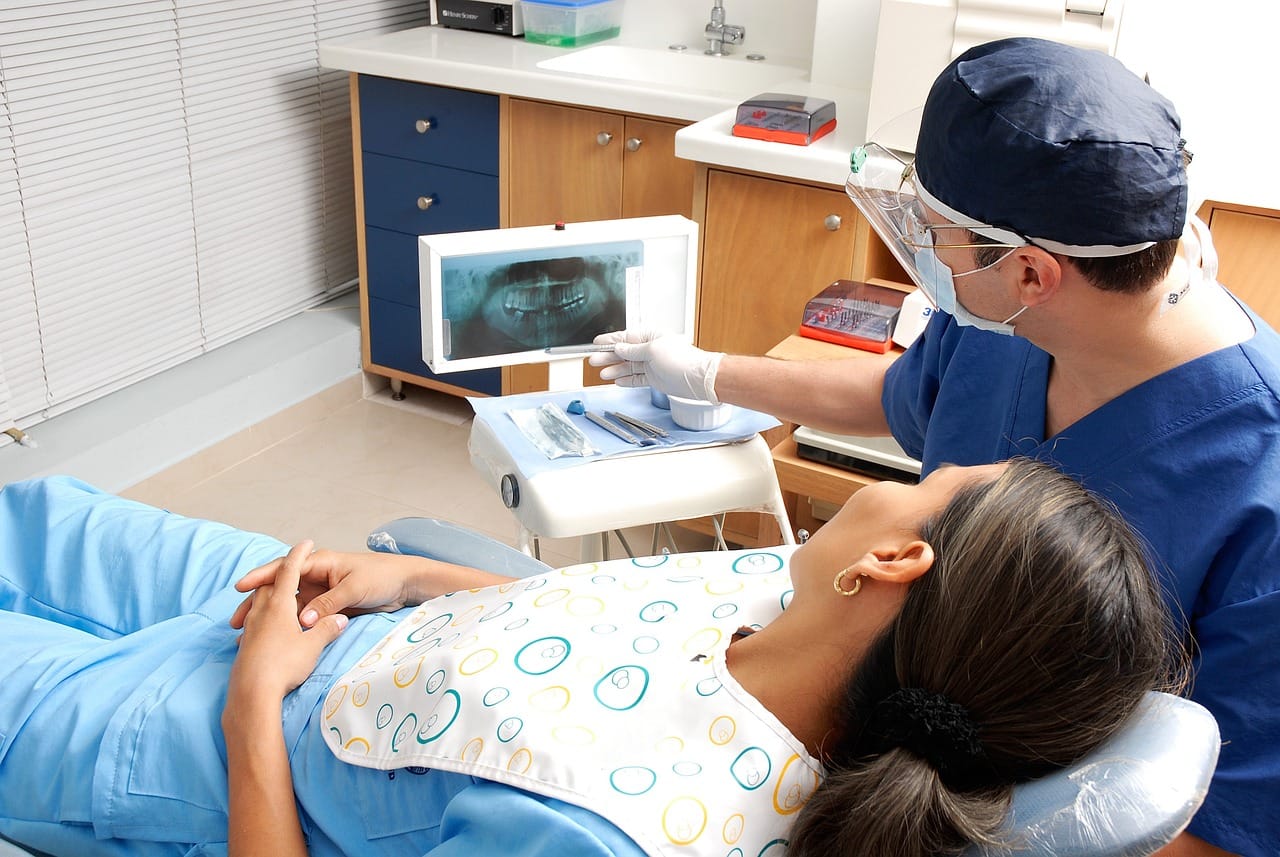
Dental Office Sharps and Medical Waste – The Basics
Dental clinics might not always be the first thing people think of when it comes to medical waste—but the truth is, dental offices generate a significant amount of regulated waste every day. From used needles and anesthetic carpules to blood-soaked gauze, extracted teeth, and even small amounts of pharmaceuticals, it all falls under strict disposal rules.
Why Dentists Need a Specialized Waste Service
- Infection Control and Patient Safety: Needles, blades, and other sharps used in dental procedures pose a risk of injury and exposure to bloodborne pathogens, including hepatitis B, hepatitis C, and HIV. Proper containment and timely removal are essential for protecting staff, patients, and the public.
- Stringent Regulations: Dental practices must follow federal OSHA standards as well as DOT and state rules for handling, packaging, and disposing of medical and sharps waste. Failing to comply can result in hefty fines and reputational risk.
- Efficiency and Focus: Most dental clinics aren’t equipped to handle complex waste tracking, packaging, and disposal themselves. Outsourcing to a licensed waste partner frees up time and energy for patient care while ensuring compliance and peace of mind.
Rules and Regulations for Dental Medical Waste
- OSHA Bloodborne Pathogens Standard (29 CFR 1910.1030): Requires immediate disposal of used sharps into FDA-cleared, puncture-resistant containers, training for all staff with exposure risk, and prohibits unsafe practices like recapping needles.
- DOT Regulations: Sharps and other regulated waste must be packaged and labeled for transport in compliance with DOT guidelines—using leak-proof, sealed containers in approved shipping cartons with proper documentation.
- State Medical Waste Laws: In North Carolina, dental offices must segregate and store red-bag waste, keep records of disposal, and ensure all waste is treated or incinerated by a licensed facility.
How BioSafe Supports Dental Practices
BioSafe partners with dental offices across North Carolina to take the stress out of medical waste management. Here’s what we offer:
- Tailored Pickup Schedules: We’ll work with your team to design a collection plan that matches your practice size and patient volume—no “one-size-fits-all” approach.
- Staff Training & Compliance Tools: BioSafe provides OSHA-compliant bloodborne pathogen training, DOT packaging support, and ongoing compliance resources so you’re always audit-ready.
- Transparent Pricing & Dependable Service: Our customers benefit from clear, fair pricing—no hidden fees or confusing contracts—and a reliable pickup guarantee. If we miss a service, we’ll discount your next one.
- Local Knowledge: As a North Carolina-based company, BioSafe knows state and local rules inside out. We help your practice stay fully compliant and safe, so you can focus on delivering care to your patients.
To find out more about how Biosafe can serve your dental practice, contact us today.
Sources & References
- OSHA Bloodborne Pathogens Standard
Occupational Safety and Health Administration, 29 CFR 1910.1030 - DOT Regulations for Medical Waste
U.S. Department of Transportation: Hazardous Materials Regulations for Medical Waste - North Carolina Medical Waste Rules
NC Department of Environmental Quality: Medical Waste - ADA Guidance on Dental Waste
American Dental Association: Managing Dental Waste - FDA on Sharps Disposal
U.S. Food & Drug Administration: Safely Using Sharps (Needles and Syringes)
Related articles

Learn what belongs in regulated medical waste for labs and clinical research organizations in North Carolina, including sharps, cultures, specimens, and PPE.
Read more →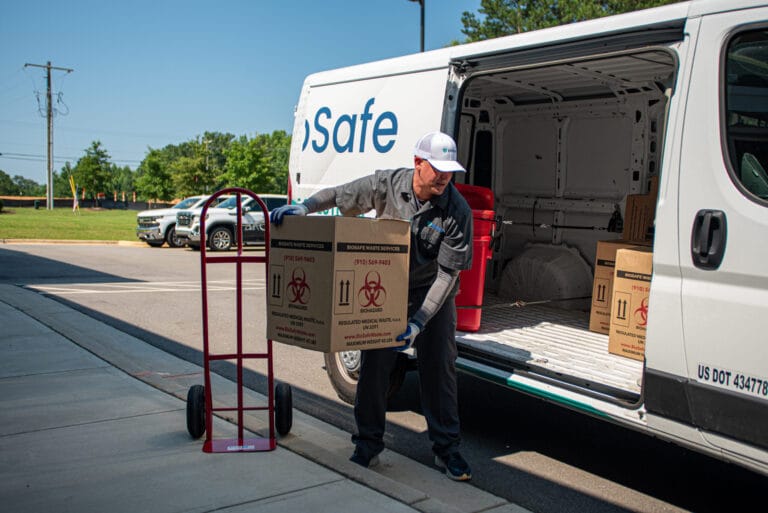
Reconstruction and restoration contractors often encounter sharps, blood-contaminated materials, and other regulated medical waste. Learn the difference between biohazardous waste and hazardous waste, proper packaging procedures, and how Biosafe helps North Carolina businesses stay compliant.
Read more →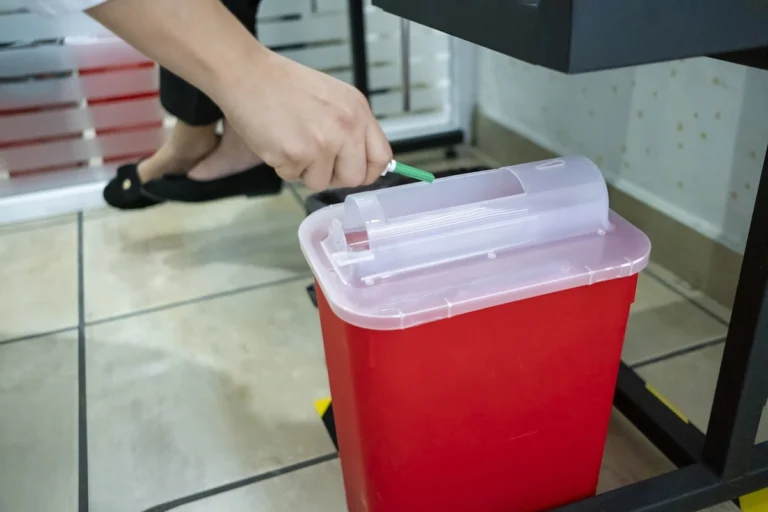
Getting Started with Medical Waste: 5 Steps to Stay Compliant
Read more →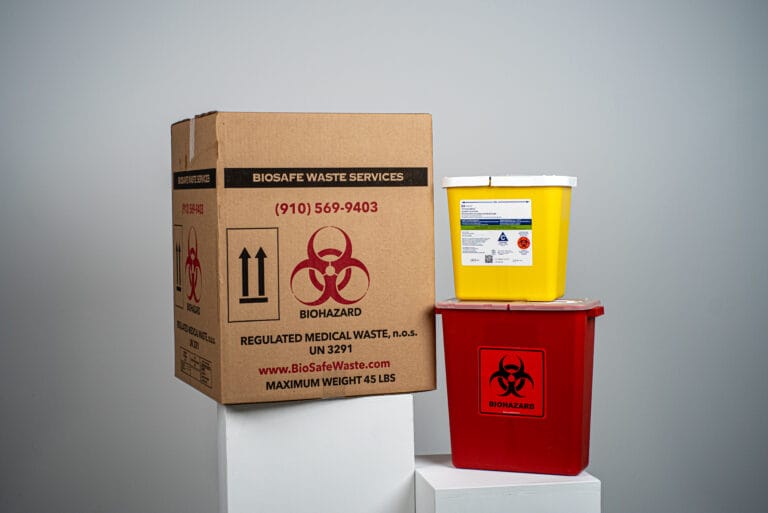
Here's how NC providers can jump start better medical waste handling this year. Saving money while staying fully compliant.
Read more →Let's talk about your practice
Straightforward pricing, no hidden fees, and a team that actually shows up. Tell us what you need.