
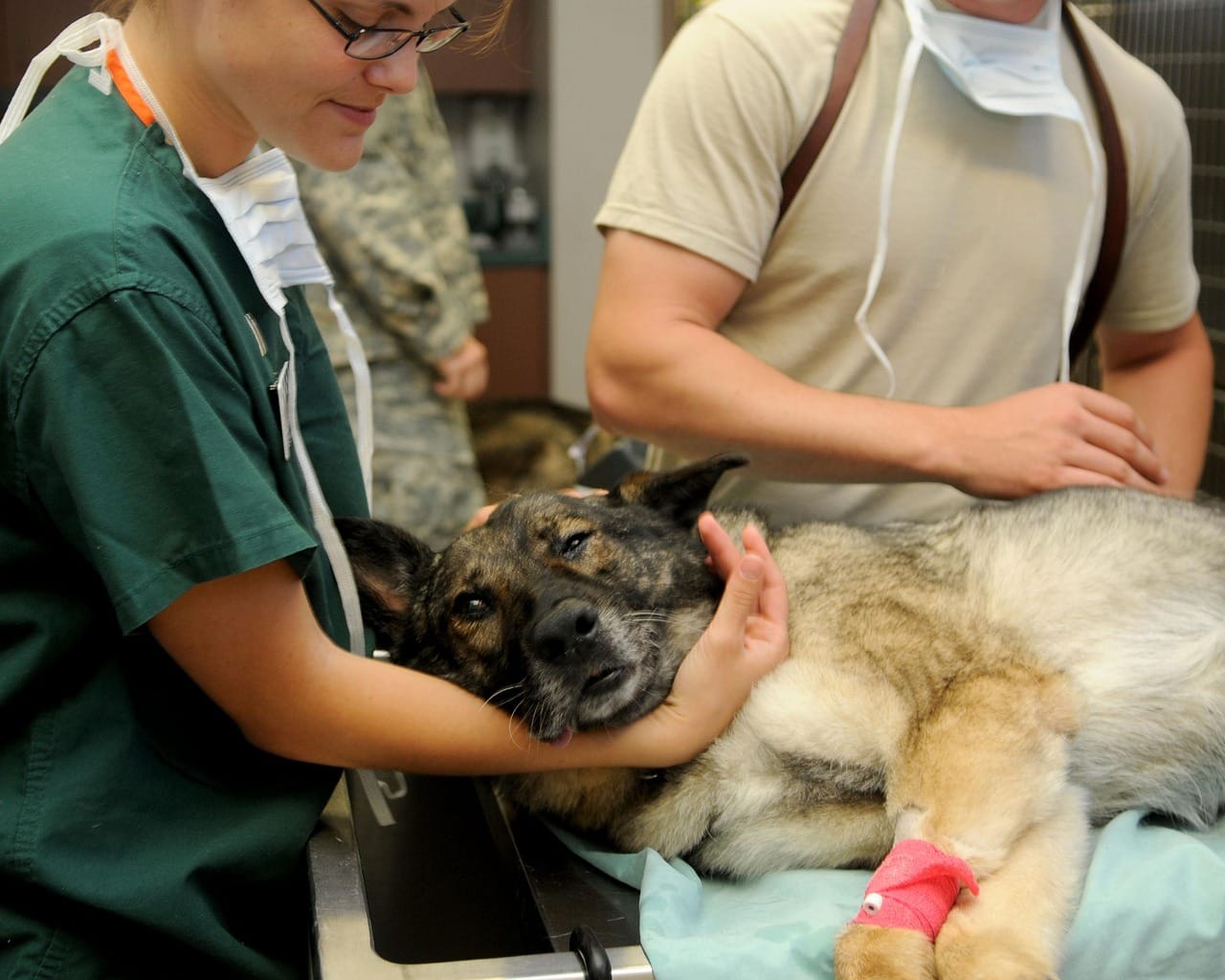
Medical & Sharps Waste at Veterinary Clinics – The Basics
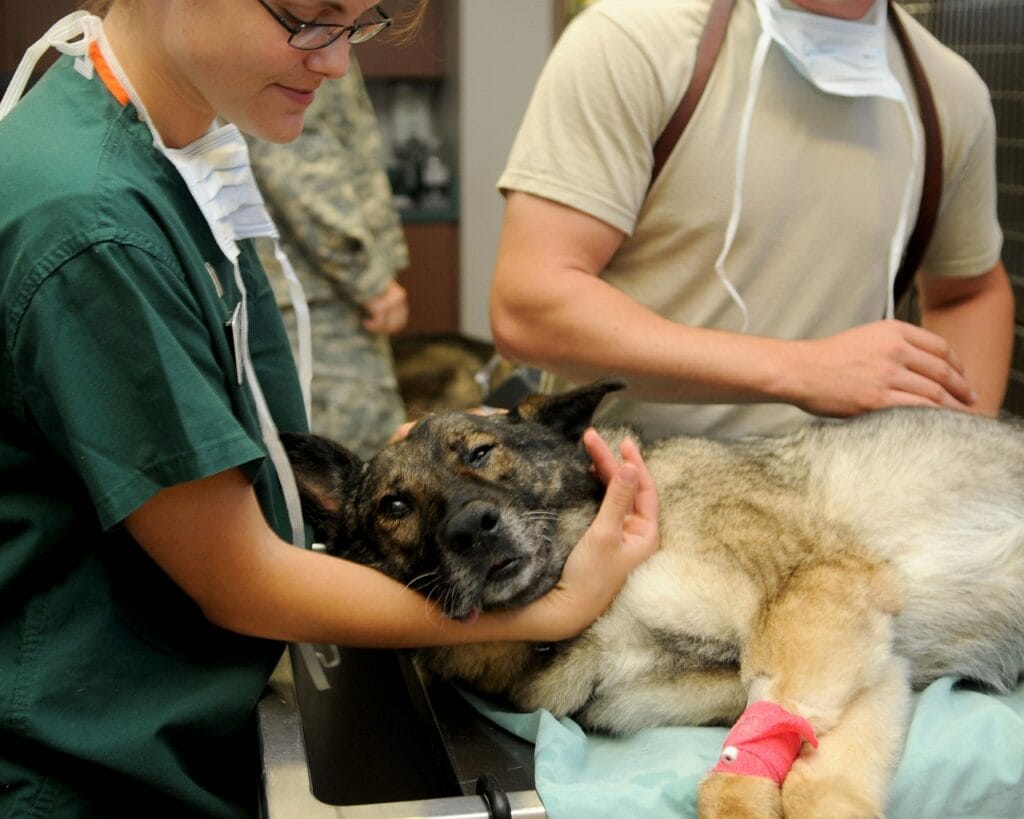
Veterinary clinics handle a wide variety of medical waste—from used syringes and needles to blood-soaked gauze, animal tissue, and expired pharmaceuticals. All of this is considered regulated medical waste (RMW) or sharps waste, which must be managed carefully to protect clinic staff, clients, and the environment.
Why Veterinary Clinics Need a Specialized Waste Service
- Safety for staff and public – Sharps (needles, scalpels, broken glass) represent a serious injection risk and potential exposure to blood-borne pathogens such as hepatitis B, hepatitis C, and HIV. Handling this material safely requires the right containers, training, and protocols.
- Regulatory compliance – Most U.S. states—including North Carolina—follow federal standards set by OSHA, EPA, and DOT, but each state also adds specific rules. Veterinary clinics need partner support to meet every detail, from training to paperwork.
- Worry-free logistics – Clinics often lack the infrastructure to manage waste on-site. Outsourcing to a trusted provider means regulated pick-ups, secure transport, and certified disposal—without the hassle.
Key Rules That Govern Veterinary Waste
- OSHA Bloodborne Pathogens Standard (29 CFR 1910.1030): Requires sharps be disposed into FDA-cleared, puncture-resistant, leak-proof containers immediately after use; recapping is prohibited and training is mandatory.
- U.S. DOT Regulations: Apply to packaging and transporting sharps containers—clinics must use approved shipping boxes, with proper labeling and tamper-resistant sealing before off-site transport.
- State and local rules: (e.g., North Carolina’s medical waste regulations) dictate segregation of red-bag waste, storage time limits, record-keeping, and approved disposal methods like autoclaving or incineration.
How BioSafe Helps Veterinary Clinics
At BioSafe, we understand the unique challenges veterinary clinics face in managing regulated medical and sharps waste. Here’s how we support your practice:
- Customized Service Plans: We tailor our medical waste collection schedules and container solutions to fit the specific needs and volume of each veterinary clinic—whether you’re a small animal practice or a larger facility.
- Compliance Training and Resources: BioSafe provides OSHA-compliant bloodborne pathogen training for your staff, including guidance on sharps handling and DOT packaging rules. This helps keep your clinic up to date and audit-ready.
- Safe, Reliable Pickups: We offer dependable, on-time pickups with transparent pricing. Our drivers are trained in veterinary waste handling and always follow DOT and OSHA guidelines, so you can focus on patient care—not paperwork.
- Local Expertise: As a North Carolina-based company, we know the state’s medical waste regulations inside and out. We help you navigate compliance with state and local rules, minimizing risk and keeping your clinic protected.
By partnering with BioSafe, veterinary clinics can ensure their medical and sharps waste is managed efficiently, safely, and in full compliance with all federal and state requirements.
Sources & References
- OSHA Bloodborne Pathogens Standard
Occupational Safety and Health Administration, 29 CFR 1910.1030 - DOT Regulations for Medical Waste
U.S. Department of Transportation: Hazardous Materials Regulations for Medical Waste - North Carolina Medical Waste Rules
NC Department of Environmental Quality: Medical Waste - AVMA Guidelines for Veterinary Waste
American Veterinary Medical Association: Managing Hazardous Materials in Veterinary Practice - FDA on Sharps Disposal
U.S. Food & Drug Administration: Safely Using Sharps (Needles and Syringes)
Related articles

Learn what belongs in regulated medical waste for labs and clinical research organizations in North Carolina, including sharps, cultures, specimens, and PPE.
Read more →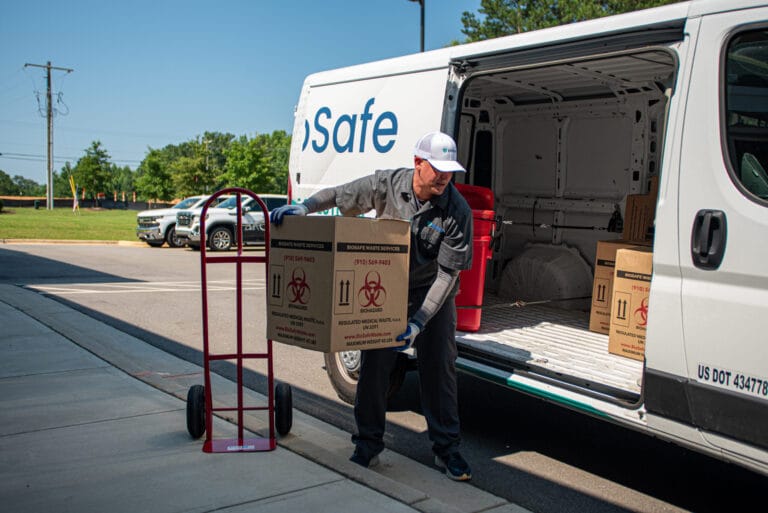
Reconstruction and restoration contractors often encounter sharps, blood-contaminated materials, and other regulated medical waste. Learn the difference between biohazardous waste and hazardous waste, proper packaging procedures, and how Biosafe helps North Carolina businesses stay compliant.
Read more →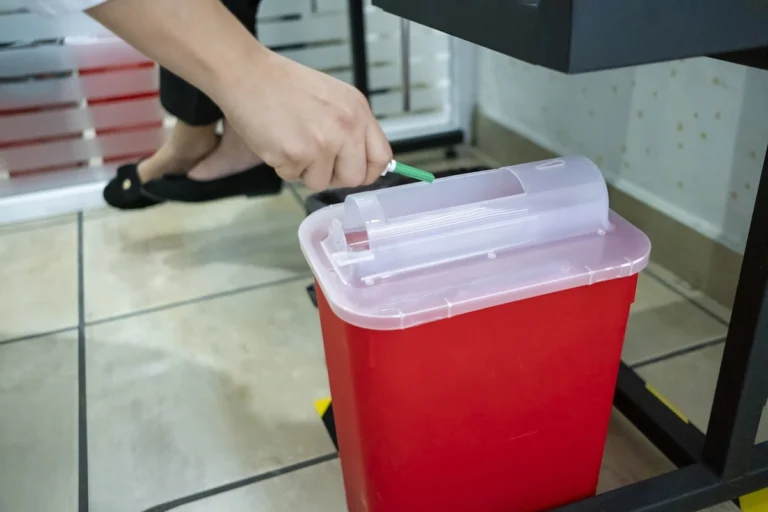
Getting Started with Medical Waste: 5 Steps to Stay Compliant
Read more →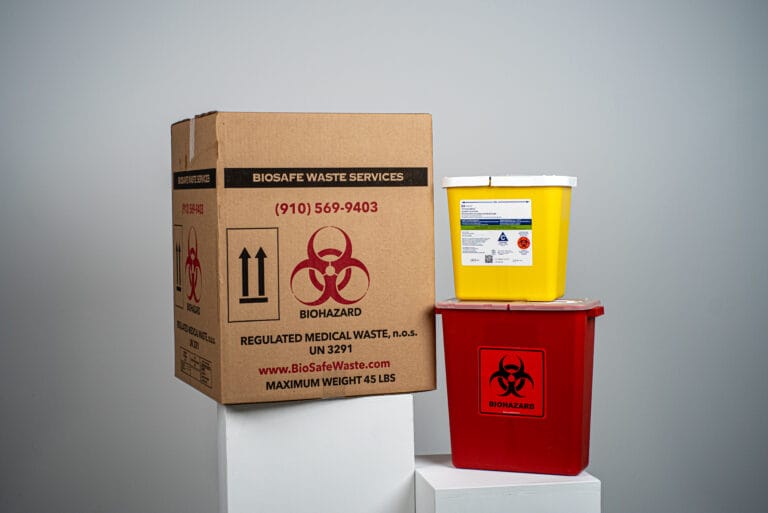
Here's how NC providers can jump start better medical waste handling this year. Saving money while staying fully compliant.
Read more →Let's talk about your practice
Straightforward pricing, no hidden fees, and a team that actually shows up. Tell us what you need.